
Burnout, Creativity, and Rest

For me, music can be one of the best things to experience in this world. Whether I am playing it or enjoying a song on repeat from one of my favorite artists, music can scratch an itch that most other things in my life cannot. That being said, sometimes the scratching of said itch can, at best, lead to a metaphorical dermatitis, and at worst, leave me feeling like I have a figurative gash in my skin.
So, how does this wide range of emotions related to one thing occur? Personally, I think it is because although music-listening is a big-time hobby of mine — the flipside of that same coin, music-performing, is very much not a hobby. It is a craft. A craft that I’ve poured a large part of my life and soul into. When hobbies and careers meet in one pile, I think it can lead to a higher rate of burnout. Think about it as you address the following question: How many construction workers go home and then watch documentaries on construction?
I am sure there are some, but my gut instinct tells me the answer is “not many.” Swap out any other career that is not art-related to make a similar analogy, and I bet you would arrive at the same answer.
What causes the burnout? The answer will range wildly from one musician to another, but a big cause, silly as it may sound, for me is redundant practice. Learning new skills is so gratifying; plateauing at said skill advancement is not. When I first pick up a new technique, it is all I want to practice. At this point, my creativity blossoms, and the technique often spills into new repertoire, which spills into new techniques to be learned! Soon, I find myself prioritizing these techniques in all my practices. Eventually, the metronome hits an upper limit of what I can comfortably play at, despite the initial few weeks of being able to reliably increase the tempo. Then, the plateau kicks in, and I get frustrated.

Frustration in one’s craft is the antithesis of creativity. Frustration then leads to — you guessed it — burnout! Rather than recognizing the burnout, I then try to shake off the feeling and push through with more practice. From here, the practice sessions become less and less productive, until I finally just stop playing for a little bit. Through all of this, I am still performing live, but I am definitely not improving when I quit practicing.
A lot of musicians encounter burnout in their craft, but — at least at an anecdotal level — it is rarely discussed. That is one of the reasons the Internet’s ability to make worldwide communities can be so helpful. Scrolling through the reels section of Facebook one day (yes, it was doom scrolling), I found a video from the musician Sophie Burrell. In it, she discusses her problem of getting really good at her instrument, then just abandoning the instrument for a while, only to have to shake off the rust that accumulated from her lack of practice at a later date. If it sounds familiar to what I wrote earlier on, it’s because it is. To see Sophie Burrell’s video on Facebook, click here.
If you are a musician reading this, and both of these accounts sound familiar — good. It means you are not alone, and you are not special in this regard. (I am sure you are special in others, though!)
From a recent visit with my psychologist (I think everyone should have one, if they can, and that mental health is woefully under-addressed, but that’s a story for another day!), I was given the following information on assessing burnout:
- You can’t easily shake that temporary feeling of being overwhelmed,
- You feel tired almost all the time, so much so that everything feels like [a] chore,
- You are more easily irritated, even by things you usually enjoy doing, and
- You start questioning the value of what you typically enjoy doing.

Now that we have addressed burnout, how can we reverse it if we are feeling this way?
While the cause of burnout may differ, oftentimes — at least for me — the remedy for it can be the same. Rest. Rest is the best! Holidays are right around the corner; what better time to rest than now? Celebrate the day-to-day with those you love. Watch that dumb movie you have been meaning to watch; bake the dessert that looks way too caloric to be consumed, despite the fact that you would love to eat it; have fun.
As we grow older, we tend to get so consumed by life that we forget to keep living. Whether it’s a text hanging over our heads, a work problem that follows us home long after we’ve clocked out, or personal drama that doesn’t truly need to exist — it takes two people to have a conflict, after all — the things that truly matter tend to get washed over by unnecessary complications.
I’m not saying that real-life things aren’t happening, I’m saying that we needn’t add more to that noise. Play a game with a loved one; have drinks and conversations with friends and family you haven’t seen in a while. Heck, if you’re a fitness nut, and exercising makes you happy, do more of it (but don’t kill your body in the name of fitness). It is no one’s responsibility to prioritize your happiness and relaxation but yours. Prioritizing the right things (for you) in life, while culling needless things can go a long way in combating burnout.
To musicians: If you want to play and noodle around on your instrument, but do not want to have strict practice right now, DON’T! There is nothing wrong with noodling around; it can be a great way to de-stress, and sometimes it can facilitate the creation of new music. In other words, noodling around can rest your mind and serve as a way to boon your creativity.
That technique will be right there waiting to be learned by you tomorrow, the next day, or even the next month! This is something that I’ve been telling myself lately, and slowly I’m beginning to follow my own advice when it comes to burnout. I hope you’re able to get something out of it, too!
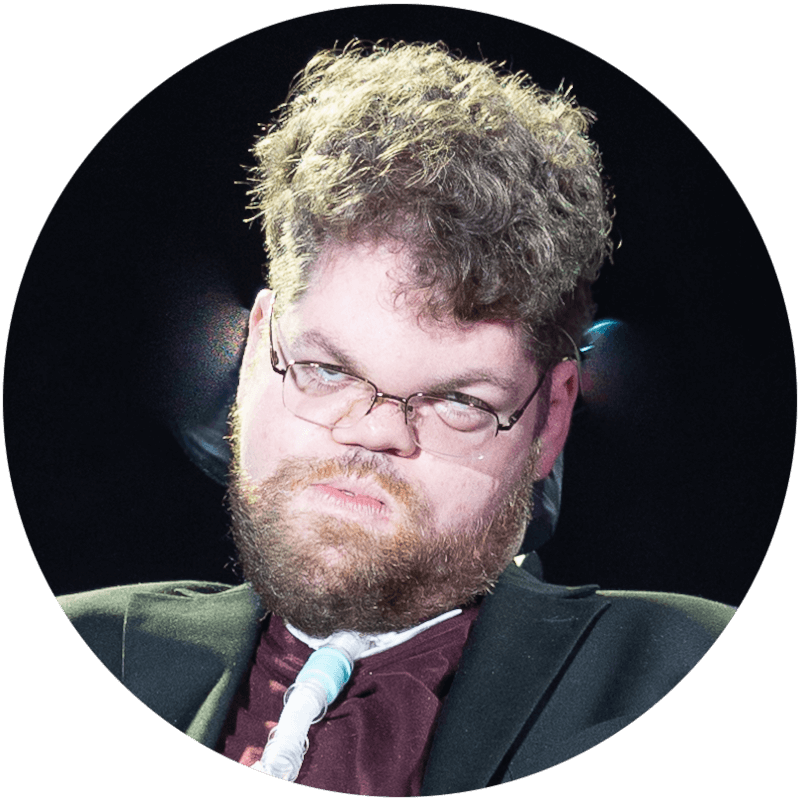
Lucas Garrett
Editor and Community Contributor
Lucas Garrett is an active performing musician, composer, and arranger in upstate New York. In addition to his work in the arts, he serves as a freelance journalist for a local newspaper, covering arts and culture.
Garrett has been living with Pompe diseaseA rare genetic disease in which the body cannot properly break down glycogen, leading to buildup that damages muscles and can affect breathing and, in some cases, the heart. for over three decades and continues to lead a full and creative life. Prior to joining the AMDA staff, he collaborated with Marsha Zimmerman and Tiffany House on several projects, including working on the AMDA’s Mentoring Program, compiling research articles into the organization’s database, and conceptualizing early AMDA webinar programming.
Lucas is currently enrolled in UC San Diego’s certificate program in copyediting. He holds a bachelor’s degree in applied mathematics from SUNY Empire State (2017) and an associate degree in general science from SUNY Adirondack (2013).